

 New Games
 Hot Games
 Shooting Games
 3D Games




 Home
Home
 New Games
 Hot Games
 Shooting Games
 3D Games
 Animal Games
 Racing Games
 Fighting Games
 Running Games

Ping Pong

 The Games You May Like







Ping Pong
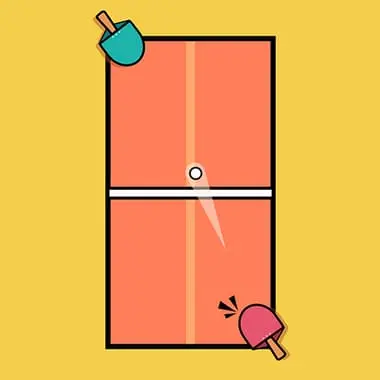
Ping Pong is a table tennis game that keeps its promise simple: react well, read the ball, and outplay the AI through better control and smarter shot placement. It does not need a huge feature set to stay engaging, because table tennis already offers a good built-in rhythm of quick exchanges, changing angles, and just enough room for subtle skill. That is where the fun usually comes from.
The mention of tricky shots and speed control suggests that the game wants more than basic returns. It wants players to understand how pace changes the rally. That is what separates a casual table tennis exchange from one where real control starts to matter. Once you can influence how fast the ball travels and where it lands, the match becomes about pressure as much as reflexes.
Ping Pong is a good fit for players who enjoy sports games with fast volleys, simple rules, and room for shot mastery. It captures the appeal of table tennis well: short reaction windows, tactical placement, and the satisfying feeling of winning a point through control instead of chaos.
How to Play Ping Pong (Controls & Gameplay Guide)
Get comfortable with the timing of each return so you can keep the rally alive without simply reacting late every time.
Use shot placement and ball speed to push the AI into weaker returns instead of only trying to hit harder.
Keep adjusting your rhythm until the rally begins working on your terms and the points start breaking your way.
Ping Pong Tips, Tricks & Strategy Guide
Table tennis games are often won through rhythm control. If you can change the pace of the rally, you can usually force the next mistake.
Do not treat every return the same way. A well-placed moderate shot can create a better opening than one rushed aggressive hit.
Ping Pong FAQs – Common Questions & Answers
What kind of game is Ping Pong?
It is a table tennis sports game focused on AI matches, shot control, and rally timing.
Does speed matter?
Yes, the imported description specifically mentions controlling ball speed as part of winning matches.
Who is it for?
It fits players who enjoy fast racket sports, simple controls, and precision-based competitive play.